The type of sewing machine you own is the biggest factor in how you approach a bag. While you can technically make almost anything on a flatbed, some methods feel like wrestling an alligator if you don’t have the right “arm.”
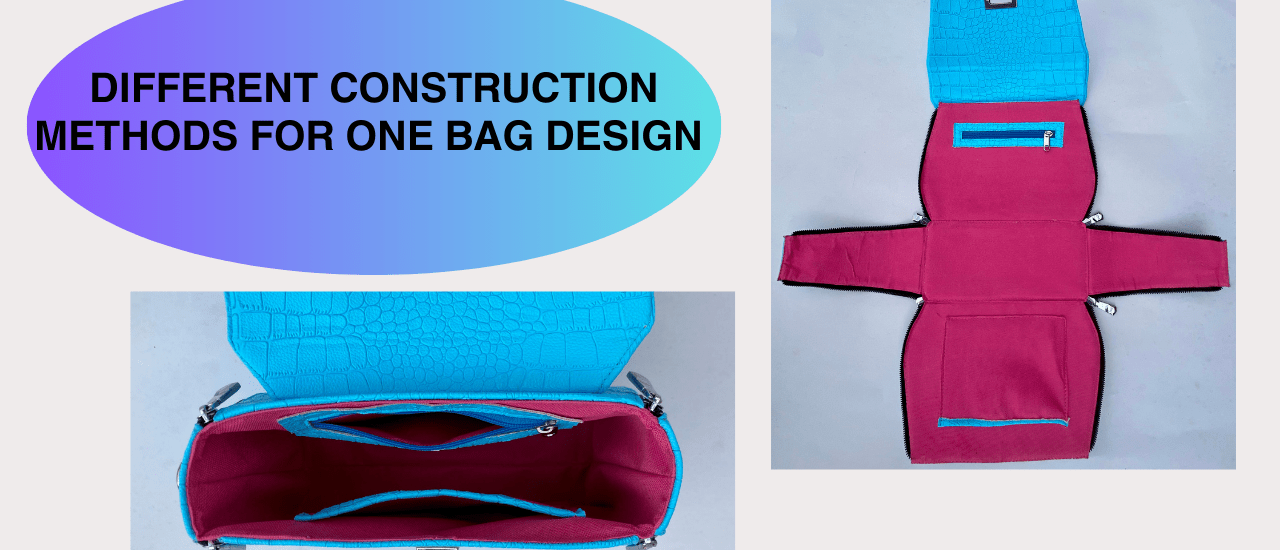
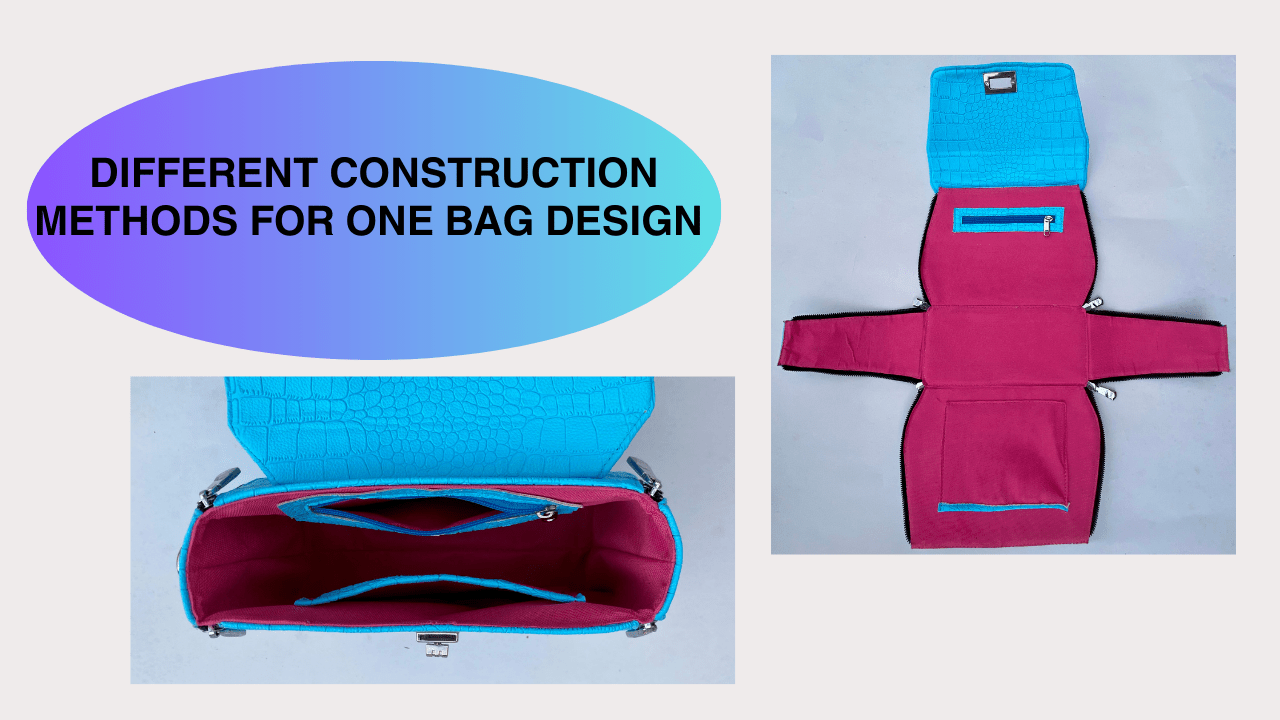
Watch the video below to see two different construction methods I used for a bag design.
1. The Flatbed Approach (The “Home Pro” Hero)
- Functionality: Focuses on flat assembly where pieces are joined while they can still lay flat on the table.
- The Struggle: Closing the final seams or binding can be difficult because you have to “scrunch” the bag under the presser foot.
- My Design Choice: For flatbed users, I prioritize birthing methods (turning the bag inside out) to avoid awkward 3D maneuvers.
2. The Cylinder Arm & Post Bed (The Specialist)
- Functionality: These machines are built for 3D shapes. They allow you to sew into tight corners, around gussets, and close to the edge of a finished bottom.
- The Ease: You can “walk” the bag around the arm, making external binding or drop-in linings much easier to execute.
- My Design Choice: I offer a “Pro” construction path that utilizes top-stitching and bound edges, which look boutique-quality but require that extra clearance.
Why I Offer “Dual Construction” Patterns
I know my customers have different skill levels and different gear. By providing two ways to build the same bag, I’m giving you the power to choose your own adventure:
| Feature | Method A: The Flatbed Friendly | Method B: The Cylinder/Post Bed |
| Skill Level | Beginner to Intermediate | Intermediate to Advanced |
| Finish | Turned edges (Birthing) | Bound edges or Top-stitched |
| Complexity | Easier to manage on a table | Requires 3D maneuvering |
| Aesthetic | Soft, hidden seams | Structured, professional “Rim” |
Designing for Your Success
As a designer, my goal is to ensure you don’t end up with a “UFO” (UnFinished Object) sitting in your scrap pile just because a gusset was too thick to turn. Whether you want to take the easy route on your domestic machine or flex your muscles on a post bed, the pattern should work for you, not against you.
Pro Tip: Before you cut your leather or fabric, read through both methods. You might find that you prefer the look of Method B but only have the equipment for Method A—and that’s where the real “maker” magic happens!